


There are many reasons that provoke the development of an inflammatory process in the prostate (prostatitis).These are various sexually transmitted diseases (gonorrhea, trichomoniasis), hormonal disorders, excess weight, smoking and alcohol abuse.
Prostatitis is an inflammation of the prostate gland that causes discomfort, disrupts sexual function, and can cause inflammation of the testicles and appendages, ultimately leading to infertility.Pathology is observed in men of different ages, but most often after 35-40 years.There are a number of reasons why prostatitis develops.
Acute and chronic infectious processes as a factor in the development of prostatitis
Often the cause of the development of the inflammatory process of the prostate is the activity of infectious agents.The disease develops due to the penetration of an infection into the prostate gland, the appearance of which is provoked by other diseases.Due to their development, the immune system is weakened and the process of reproduction of pathogenic microflora begins.
Inflammation of the prostate glands is caused by:
- gonococci (causative agents of gonorrhea);
- chlamydia (the causative agent of chlamydia);
- Trichomonas (causative agents of trichomoniasis);
- Koch's bacillus (the causative agent of tuberculosis);
- Candida fungi (causative agents of candidiasis).
Prostatitis also develops under the influence of Escherichia coli, enterococci, Pseudomonas aeruginosa and staphylococci.
Poor circulation in the pelvic area
Stagnation of blood and fluid in the pelvic area is the result of impaired blood flow in the vessels of this area.This phenomenon is associated with factors such as a sedentary lifestyle, a sedentary job, the use of too tight or restrictive underwear or tight jeans and trousers and excess weight.Slow blood flow may be associated with disturbances in the functioning of the heart muscle and diseases of the nervous system.
In the presence of these factors, blood does not flow to the prostate gland in sufficient quantities.This causes oxygen starvation and increases the risk of developing an inflammatory process.
Prolonged abstinence from sexual intercourse, frequent interruption of sexual intercourse
If a man does not have sexual intercourse for a long time, and even if he practices coitus interruptus as a contraceptive method, this causes inflammatory processes in the prostate.
In the presence of these factors, a special fluid accumulates in the prostate, a secretion that ensures the vitality and mobility of spermatozoa and, under normal conditions, is removed from it.During abstinence and interruption of sexual intercourse, it remains in the prostate or is only partially expelled due to lack of ejaculation.
Congestion causes an increase in the size of the organ and its inflammation.
Hormonal disorders
Hormonal imbalance, in which testosterone production is disrupted, causes the development of an inflammatory process in the prostate.
Hormonal imbalances occur due to the following phenomena:
- anomalies of the glands and organs of the endocrine system (thyroid, adrenal glands, pituitary gland);
- injury to the testicles, where testosterone is produced;
- lack of physical activity;
- acute and chronic intoxication;
- poor nutrition;
- frequent stress;
- living in an unfavorable environmental environment;
- tumor neoplasms.
Prostatitis can occur due to both a decrease and a sharp increase in the level of the male sex hormone.
Injuries and hypothermia
Mechanical damage to the pelvic and perineal organs causes congestion of the prostate, which leads to its inflammation.If the lesions are severe, they can cause chronic prostatitis.
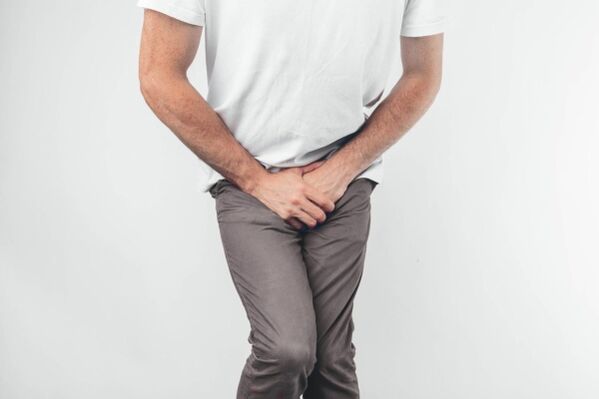
Hypothermia of the pelvic area, which occurs in case of prolonged exposure to drafts or due to the wrong choice of clothing (unsuitable for weather conditions), also causes an acute inflammatory process of the prostate gland.It is important that hypothermia reduces the body's defenses, which in such conditions is unable to fight the developing disease.
Constant nervous tension
Prostatitis can have a psychological nature.The risk group includes men who regularly suffer from stress, suffer from constant lack of sleep and chronic fatigue, and also experience a constant increase in mental stress.
The trigger mechanism in this case is the production of specific "stress" substances: this is how the nervous system reacts to the situation.In such conditions, the risk of developing inflammation increases.
Bad habits and unhealthy diet
Alcohol and smoking negatively affect blood vessels, making them inelastic and fragile.As a result, the blood supply to the prostate deteriorates, the gland receives less nutrients and oxygen.Under such conditions, inflammation develops.
Junk food: fatty and fried foods, processed foods, canned food, pickles, as well as drinks such as strong tea and coffee, sweet soda, reduce immunity.For this reason, the body is unable to fight the pathogenic microorganisms that cause inflammation of the prostate.
Digestive problems that cause frequent constipation
If a person has irregular bowel movements or experiences frequent constipation, dysbiosis develops: in this case, the ratio of beneficial and harmful microflora in the gastrointestinal tract changes towards the latter.Because of this, immunity decreases and the body's susceptibility to pathogens increases.In addition, fecal retention promotes the absorption of toxins in the colon, which also negatively affects the protective function of the body.
Prostatitis is a disease that can cause infertility.This deviation occurs for various reasons: from injuries to the pelvic organs to psychological factors.By identifying the cause of prostate inflammation and eliminating it, progress can be made in treating the condition.